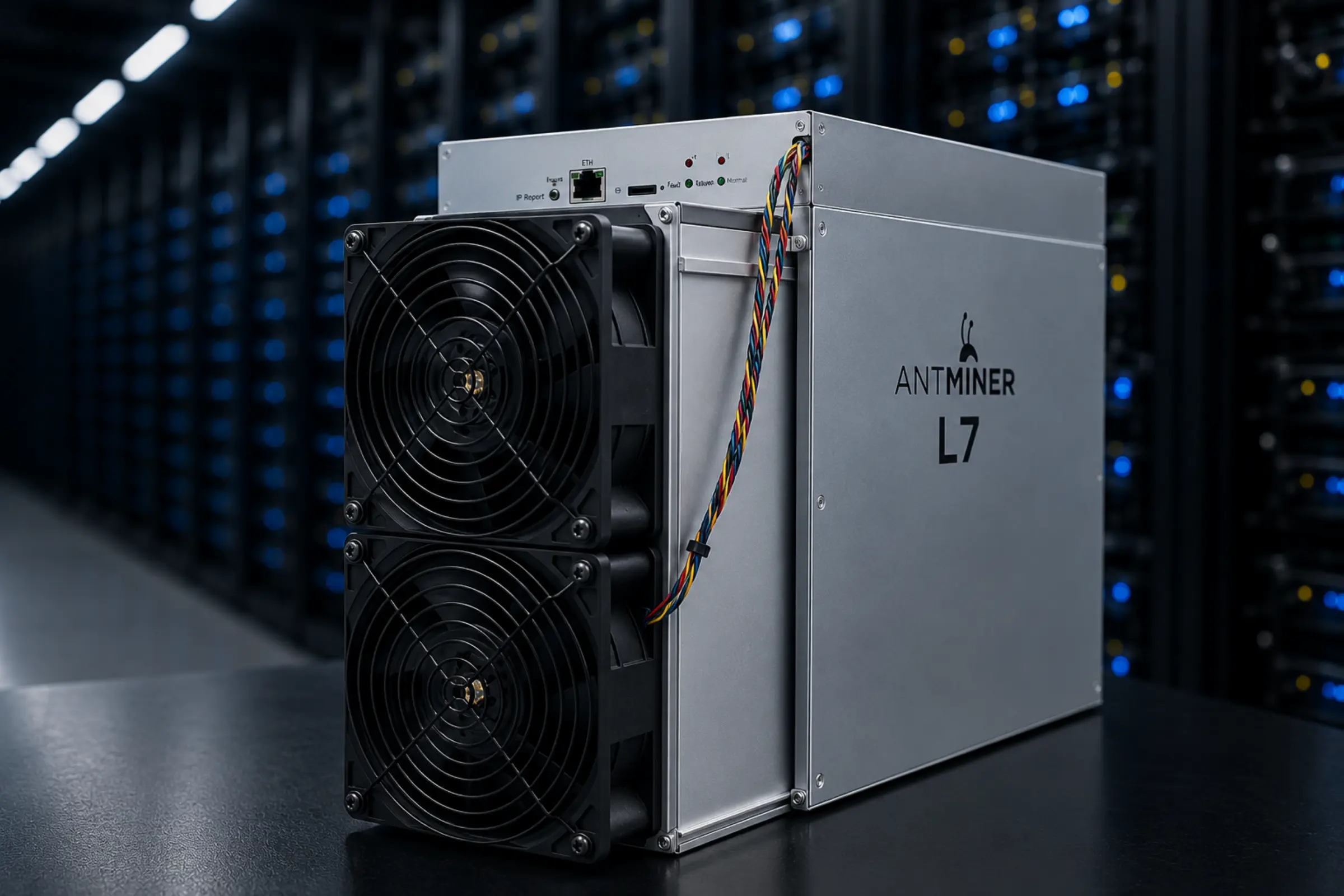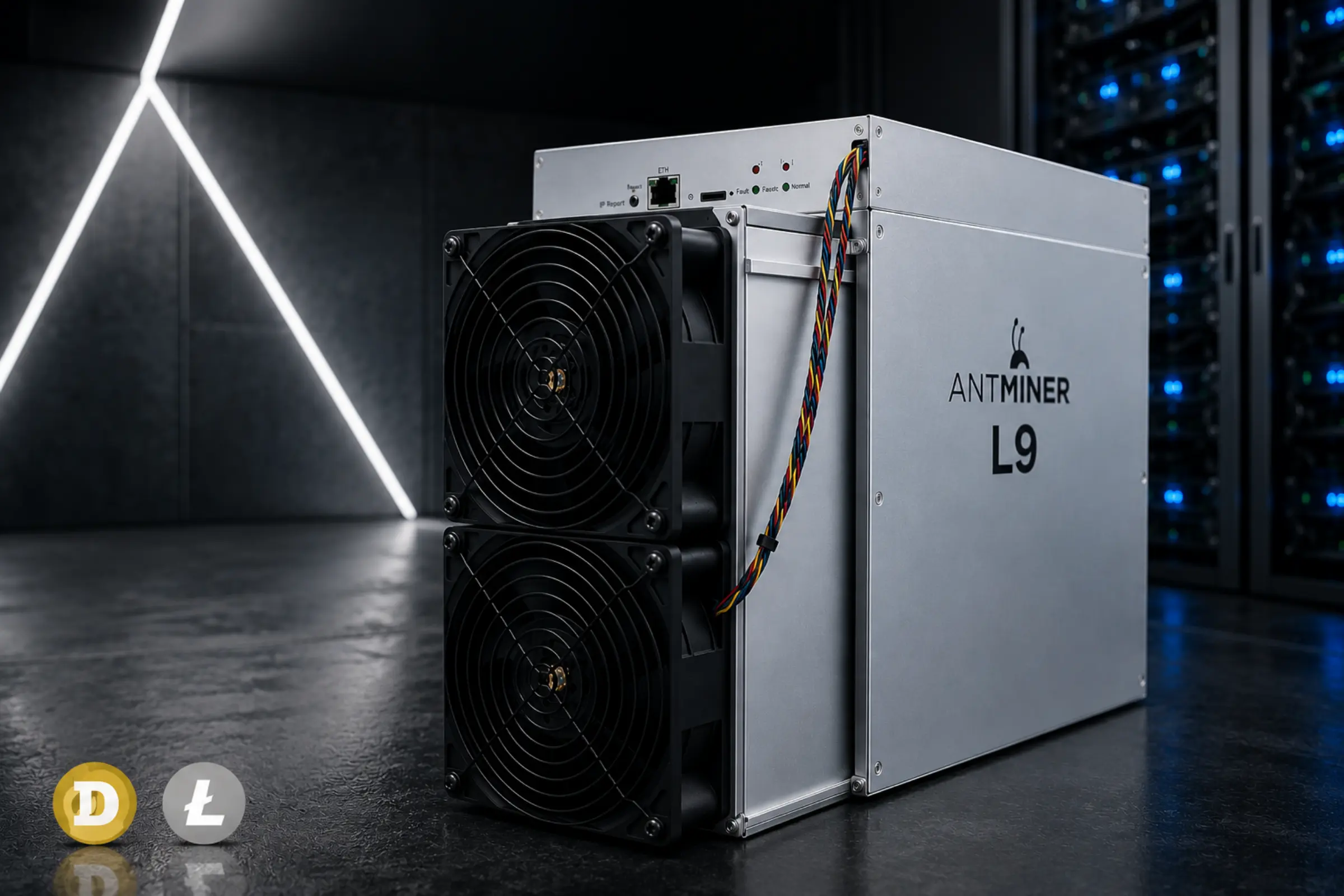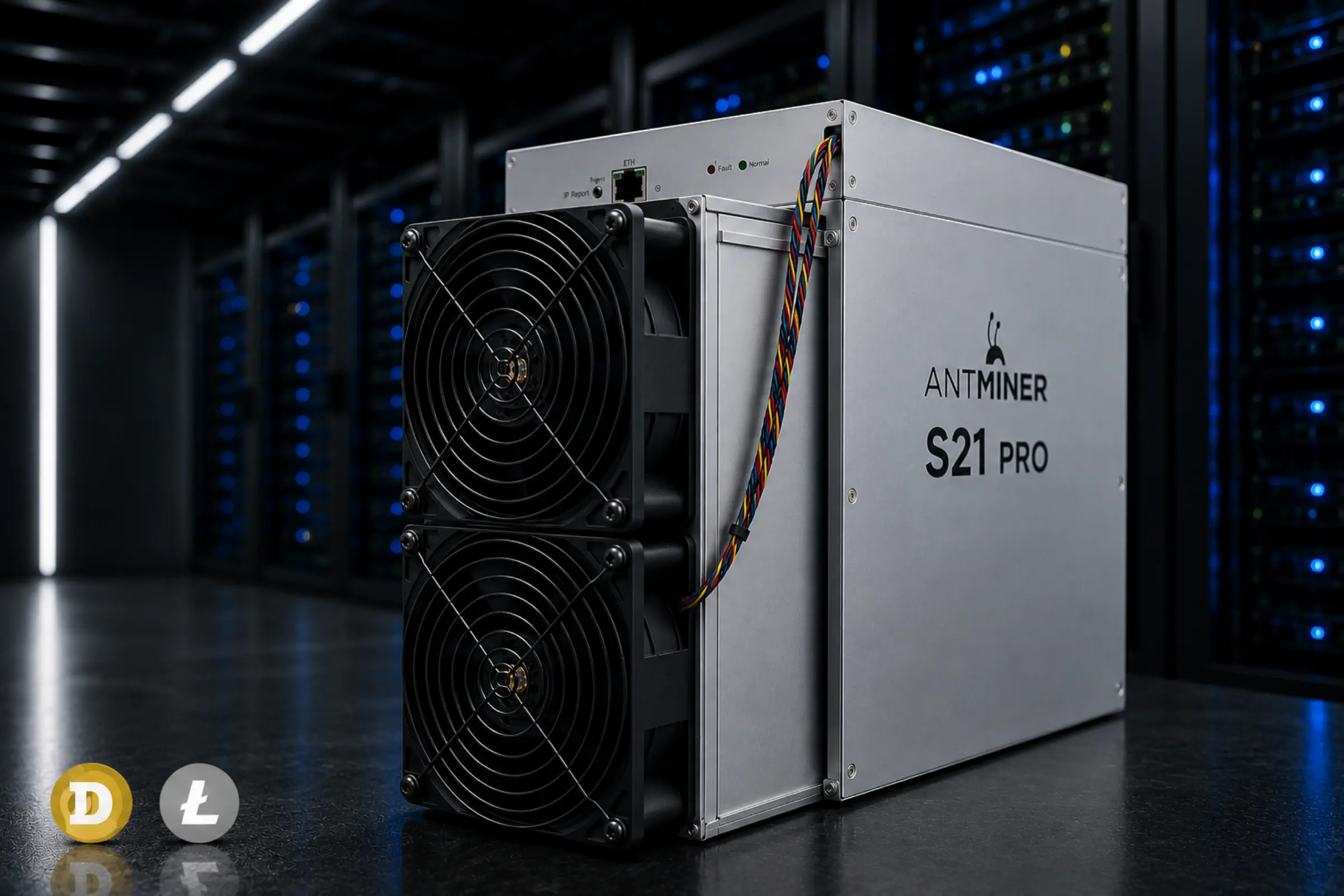
Cloud mining lets you earn from Bitcoin mining without owning hardware, paying for power, or managing heat and noise. You buy or rent hashrate, and the operator runs the machines on your behalf. This guide explains how it actually works in 2026, what drives your payouts, and the numbers to check before you commit.
What cloud mining actually is
Instead of buying an ASIC and plugging it in at home, you contract a share of mining capacity that runs in a professional facility. The operator handles the hardware, electricity, cooling and uptime, and you receive a share of the mined Bitcoin proportional to the hashrate you hold. If you want to understand the underlying process, the basics of how Bitcoin mining works and how Bitcoin itself works are worth a read.
The appeal is simple: no upfront hardware purchase, no electricity bill swings, no fan noise in your living room. The trade-off is that you depend on the operator’s transparency and efficiency. Our cloud mining plans are built around exactly that transparency.
In short
Cloud mining converts a capital-and-operations problem into a contract. Your job shifts from running machines to reading the terms.
How payouts are calculated
Three variables drive what you earn:
- Network difficulty — as more hashrate joins the network, each unit of your hashrate earns slightly less. You can watch the trend on the Bitcoin network hashrate chart.
- Bitcoin price — payouts are denominated in BTC, so the fiat value moves with the market.
- Maintenance fees — the operator deducts the cost of power and upkeep before paying you.
The 2024 halving cut the block reward to 3.125 BTC, which raised the bar for every miner on the network — see how the halving affects mining economics. A contract that looks generous today can flatten as difficulty climbs, so model payouts across a range of difficulty and price assumptions, not just today’s snapshot.
The single most useful habit: judge a cloud mining contract by its break-even, not its best-case payout.
What to check before you commit
Before signing anything, work through this short list:
- Is the hashrate and fee structure stated clearly and in writing?
- Where does the power come from, and at what cost? Cheap, stable energy is the foundation of sustainable payouts.
- Can you see the facility, uptime record, or third-party verification? Our piece on what a modern hosting facility looks like shows what good infrastructure delivers.
- What happens to your contract if Bitcoin price or difficulty moves sharply?
Renewable energy matters more than it looks
Because electricity is the largest ongoing cost in mining, the energy source directly shapes long-term margins. Operations on stable renewable power tend to hold up better across market cycles than those exposed to volatile grid pricing. It’s also why location decides your margins.
The bottom line
Cloud mining is a legitimate way to gain Bitcoin mining exposure without operating hardware — provided the operator is transparent and the numbers hold up under pressure. If you’d rather own the machine outright, compare the trade-offs in self-mining vs. hosting, or browse new and used hardware in our miners marketplace.
Frequently asked questions
Is cloud mining profitable in 2026?
It can be, but profitability depends on the contract’s fee structure, the operator’s energy cost, Bitcoin’s price and network difficulty. Always evaluate the break-even point rather than the advertised best case.
What is the difference between cloud mining and hosting?
With cloud mining you buy a share of hashrate and never own a machine. With hosting you own the ASIC and pay a facility to run it. Hosting gives you more control and resale value; cloud mining is simpler to start.
Do I need any hardware for cloud mining?
No. The operator owns and runs the machines. You only need an account and a wallet to receive payouts.